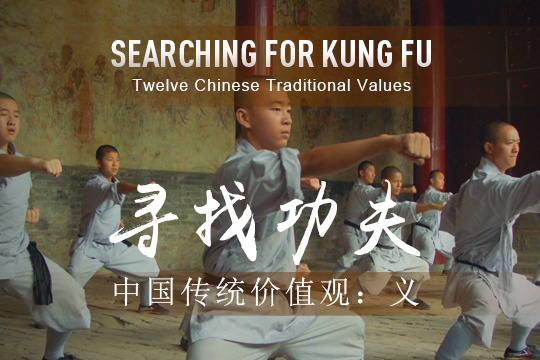
12 Traditional Chinese Values: Obligation
Introduction
The concept of yi, often translated as "obligation" or "righteousness", is one of the 12 traditional Chinese values. It embodies the idea of a duty or promise that must be fulfilled, emphasizing moral responsibility and ethical conduct as essential aspects of Chinese philosophy and culture. This value is considered fundamental in maintaining social harmony and personal integrity, making it a cornerstone of traditional Chinese thought. By exploring the concept of yi, one can gain insight into the broader framework of Chinese values that have shaped individual behavior and societal norms for centuries.
Historical Context
The roots of yi can be traced back to ancient Chinese philosophy, particularly within Confucianism and the works of philosophers like Confucius and Mencius. Confucius, a pivotal figure in Chinese history, emphasized the importance of righteousness and moral duty as vital components of a well-ordered society. In Confucian teachings, yi is seen as a guiding principle that directs individuals to act with integrity and align their actions with societal expectations and ethical standards. The historical context of yi is deeply intertwined with the evolution of Chinese society, influencing legal systems, family structures, and governance. Throughout the dynastic eras, yi was upheld as a moral imperative for both rulers and subjects, shaping the cultural and ethical fabric of Chinese civilization.
Definition and Meaning
Yi, in its broadest sense, refers to a sense of duty and moral righteousness. It signifies the obligation to perform actions that are inherently good and just. Unlike mere legal obligations, yi extends beyond societal rules, encompassing an internalized understanding of what is morally right. This value is not only about fulfilling duties to others but also about maintaining personal integrity and sincerity in one's actions. Yi involves a harmonious balance between self-interest and the greater good, requiring individuals to prioritize ethical considerations above personal gain. In traditional Chinese culture, yi is closely associated with concepts such as loyalty, honesty, and justice, forming a moral compass that guides behavior and decision-making.
Cultural Significance
Yi holds profound cultural significance in Chinese society. As one of the core values, it underpins the moral and ethical framework that governs interpersonal relationships, community cohesion, and social order. The emphasis on yi reflects the Confucian ideal of cultivating virtuous individuals who contribute positively to society. This value is evident in various cultural practices, such as filial piety, respect for elders, and the prioritization of communal interests over individual desires. Yi is also a prevalent theme in Chinese rituals, festivals, and ceremonies, where acts of righteousness and duty are celebrated and reinforced. As a cultural pillar, yi continues to influence the moral education and ethical upbringing of individuals within the Chinese community, ensuring the perpetuation of traditional values across generations.
Representation in Literature and Arts
Yi has been a recurrent theme in Chinese literature and arts, serving as a source of inspiration for poets, novelists, and artists. The depiction of yi in literary works often explores the complexities of moral dilemmas, where characters are confronted with choices between personal desires and ethical obligations. Classic Chinese literature, such as the works of Confucius, Mencius, and later writers like Luo Guanzhong and Cao Xueqin, frequently integrate themes of yi to illustrate the moral struggles and triumphs of their protagonists.
Modern Perspectives
In contemporary society, the interpretation of yi has adapted to the changing dynamics of modern life. While traditional notions of obligation and righteousness remain influential, there is an increased emphasis on individual autonomy and personal choice. This shift reflects broader societal changes, including globalization, technological advancements, and evolving social norms. Despite these transformations, the essence of yi as a guiding ethical principle endures, providing a moral compass in navigating complex and interconnected global challenges. In modern discourse, yi is often discussed in relation to issues such as corporate responsibility, environmental stewardship, and social justice, demonstrating its continued relevance and applicability in addressing contemporary ethical dilemmas.








